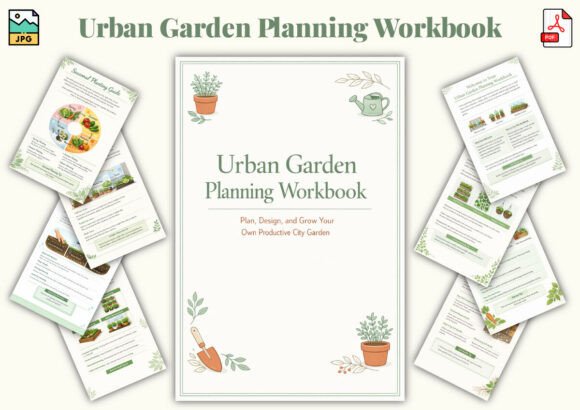
Urban Garden Planning Workbook: A Practical Guide for City Gardeners
Transforming a small balcony, a compact rooftop, or a narrow patio into a thriving garden can feel like a puzzle with missing pieces. Urban gardening comes with its own set of questions: Will this corner get enough sun? Which plants will actually survive in containers? How do you fit both vegetables and flowers into a tiny footprint? The Urban Garden Planning Workbook was created to help city dwellers answer those exact questions with clarity and confidence. This planner is not just a collection of blank pages—it is a structured companion designed to guide you through every stage of creating and managing a productive urban garden.
For anyone who has ever felt overwhelmed by the logistics of small-space gardening, this workbook offers a thoughtful, solution-focused approach. It helps you turn scattered ideas into a actionable plan, track what works, and adjust as the season unfolds. Whether you are a first-time balcony gardener or an experienced grower moving to a smaller space, the Urban Garden Planning Workbook provides the framework to make your city garden both beautiful and productive.
Understanding Your Urban Growing Environment
One of the biggest challenges in urban gardening is working with the conditions you have rather than the ones you wish for. Many city spaces come with unique constraints—partial shade from neighboring buildings, wind tunnels between structures, or limited floor area. Before you buy a single seed or transplant, it helps to understand exactly what your space offers.
The Urban Garden Planning Workbook includes dedicated Sunlight Space Evaluation Guides that walk you through observing and recording light patterns throughout the day. Instead of guessing whether a spot is "sunny" or "shady," you can systematically track morning, afternoon, and evening light levels across different seasons. This simple practice can prevent the disappointment of planting sun-loving tomatoes in a spot that receives only three hours of direct light.
Beyond sunlight, the workbook encourages you to measure your actual growing area, note wind exposure, and consider access to water. Urban gardeners often work with multiple microclimates within the same balcony or patio, and these evaluation pages help you map those variations. By the time you finish the assessment section, you will have a realistic snapshot of what your space can support—a foundation that makes every subsequent decision more effective.
Choosing Plants That Match Your Space and Goals
It can be tempting to buy every beautiful plant you see at the nursery, but urban gardens demand thoughtful plant selection. Limited space means every container counts, and choosing plants that align with your sunlight, climate, and personal goals is essential for a rewarding experience.
The Plant Selection Guidance section of the workbook helps you match plant varieties to your specific conditions. It includes prompts to consider your primary aims: Are you growing food for your kitchen, creating a pollinator-friendly retreat, or designing a lush green sanctuary? Each goal leads to different plant choices. For example, a kitchen-focused gardener on a sunny balcony might prioritize compact tomato varieties, bush beans, and culinary herbs, while someone seeking shade-tolerant ornamentals could focus on ferns, begonias, and hostas.
The workbook also provides space to list plants you are curious about, research their requirements, and compare them against your site assessment. This structured approach helps you avoid impulse buys that may not thrive. Instead, you build a curated list of plants that are genuinely suited to your situation. Over time, this selection process becomes faster and more intuitive, but having a written record in the workbook makes it easy to replicate successes and avoid past mistakes.
Designing a Garden Layout That Works
Once you know your space and have a list of promising plants, the next step is figuring out where everything will go. A well-considered layout can make the difference between a garden that feels chaotic and one that is both functional and inviting. Urban spaces often require creative use of vertical surfaces, tiered shelving, and strategic container placement.
The Garden Layout Design Worksheets in the Urban Garden Planning Workbook give you a structured way to sketch and organize your growing areas. These pages are designed to help you think about plant height, sunlight needs, watering access, and visual harmony all at once. For instance, you might place taller plants like pole beans or trellised cucumbers along a back railing so they do not shade lower-growing basil or lettuce. You can group plants with similar water needs together to make irrigation more efficient.
Another practical consideration the layout worksheets address is accessibility. Urban gardens are often used as everyday living spaces, so pathways, seating areas, and plant maintenance routes matter. By mapping out your layout on paper first, you can experiment with different arrangements without moving heavy pots or wasting soil. The workbook encourages you to try multiple layout versions and note which one best fits your routines and aesthetic preferences.
Tracking Growth and Managing Your Garden Through the Season
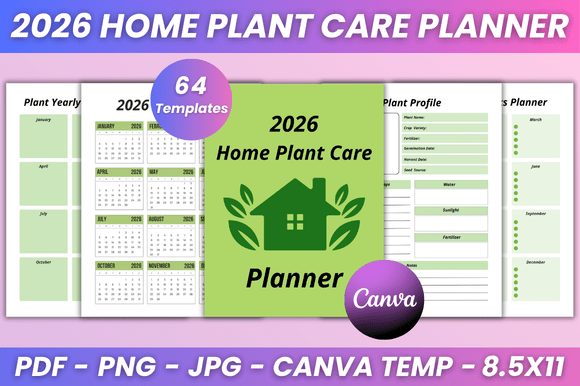
A garden is never static. Plants grow, pests appear, weather changes, and harvests come and go. Keeping track of what happens in your urban garden from week to week helps you learn what works and what needs adjustment. This is where the Plant Growth Tracking Pages become invaluable.
These pages in the Urban Garden Planning Workbook allow you to record planting dates, first blooms, harvest quantities, and any issues you observe. For example, you might note that a particular basil variety struggled in July due to heat stress, or that a certain pepper variety produced heavily until late October. Over time, this data becomes a personal reference that is far more relevant than generic gardening advice found online.
Tracking also helps with seasonal planning. When you know exactly how long your tomatoes took to ripen, you can time your next planting more accurately. If you notice that aphids appear around the same time each year, you can take preventative action earlier. The workbook’s tracking sheets are designed to be quick to fill out, so they fit naturally into a busy week. Even five minutes of observation and note-taking each week can build a valuable record that improves your gardening skills year after year.
How Different Urban Gardeners Use the Workbook
No two urban gardens are exactly alike, and the Urban Garden Planning Workbook is flexible enough to accommodate a wide range of situations. A renter on a third-floor balcony might use the workbook primarily to plan container arrangements that are lightweight and portable, while a homeowner with a tiny backyard might focus on permanent raised beds and perennial plantings. The workbook works equally well for both scenarios because its core structure is built around universal planning principles rather than one-size-fits-all templates.
A busy professional who only gardens on weekends may appreciate the simplified tracking pages that require minimal time commitment. In contrast, a dedicated hobbyist might use every worksheet in depth, adding notes about soil amendments, companion planting experiments, and pest management strategies. The workbook does not prescribe a rigid method; instead, it offers a toolkit that you can adapt to your own pace and level of detail.
Community gardeners or urban farming enthusiasts might also use the workbook to coordinate shared spaces, assign planting responsibilities, or document crop rotations across multiple beds. The layout and tracking pages can be photocopied or used as templates for group planning sessions. This adaptability makes the workbook a practical resource for both individual and collaborative projects.
Building Confidence and Enjoyment in Urban Gardening
At its core, the Urban Garden Planning Workbook is about making urban gardening more manageable and more enjoyable. When you have a clear plan, you spend less time worrying and more time actually connecting with your plants. The process of evaluating your space, selecting suitable plants, designing a layout, and tracking growth builds a sense of control and accomplishment that is deeply satisfying.
For many city gardeners, the limits of a small space can actually become an advantage. With careful planning, even a few square feet can yield a surprising amount of fresh herbs, vegetables, or flowers. The workbook helps you maximize that potential without feeling overwhelmed. It encourages you to set realistic goals, celebrate small wins, and learn from setbacks in a constructive way.
Over time, using the Urban Garden Planning Workbook becomes a habit that pays off each season. Your notes from last year help you make better decisions this year. Your layout sketches evolve into a personalized design language that reflects your tastes and priorities. Your growth records become a narrative of your garden’s life, full of lessons and memories that enrich your experience as a gardener.
Getting Started with Your Own Garden Plan
If you are ready to bring more structure and intention to your urban garden, the Urban Garden Planning Workbook offers a practical starting point. Begin with the sunlight and space evaluation to understand what your environment truly offers. Then, move through the plant selection and layout pages at your own pace, experimenting with different arrangements until you find a plan that feels right. Use the tracking sheets to document your journey, and revisit your notes as the season progresses.
Urban gardening is as much about the process as it is about the harvest. The workbook supports both by giving you a clear, organized way to plan, act, and reflect. Whether your goal is to grow your own salad greens, create a calming green retreat, or simply learn more about plants, this planner can help you turn your city space into a thriving garden that fits your life.