Rainbow Kids Chore Workbook Canva Kdp Design Guide
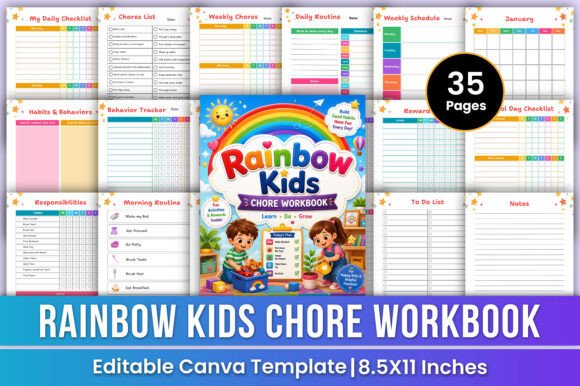
For graphic designers and content creators, the Rainbow Kids Chore Workbook Canva Kdp represents more than a simple organizational tool—it is a complete visual system for teaching responsibility through thoughtful design. When you approach this workbook from a professional design perspective, you quickly realize how its rainbow-themed layouts, structured grids, and reward trackers combine to create a cohesive brand experience that resonates with both children and parents. The workbook’s editable Canva link and print-ready PDF files make it a versatile asset for anyone building digital products or educational resources.
Why This Workbook Matters in Modern Graphic Design
Today’s design landscape demands resources that are both visually engaging and functionally robust. This chore workbook delivers on both fronts by offering a complete set of daily and weekly chore charts, behavior habit trackers, and reward allowance systems—all wrapped in a bright, kid-friendly rainbow aesthetic. For designers working on branding or brand identity projects for children’s products, this workbook serves as an excellent case study in visual hierarchy and color palette application. The vibrant rainbow theme isn’t just decorative; it helps guide young users through their tasks, creating a clear visual path from morning routines to bedtime checklists.
Practical Applications for Creative Professionals
Whether you specialize in editorial design, print design, or digital marketing, the Rainbow Kids Chore Workbook offers multiple entry points for creative exploration. Here are some practical ways to integrate its design principles into your own projects:
- Branding and Logo Design — Use the workbook’s consistent rainbow palette and playful typography as inspiration for children’s brand identities.
- Marketing Materials — Adapt the chore chart layout for promotional flyers, email campaigns, or social media graphics targeting parents.
- Social Media Content — Create Instagram or Pinterest templates that mirror the workbook’s structured yet colorful grid system.
- Website and UI Design — Incorporate the workbook’s visual hierarchy into kid-focused apps or educational websites.
- Packaging Design — Borrow the reward tracker concept for interactive product packaging that encourages repeat engagement.
Designing for Usability and Engagement
One of the standout features of this workbook is how it balances modern aesthetics with practical usability. The daily routine schedule pages and school day checklist pages are laid out with clear typography and ample white space, ensuring that children can navigate them independently. From a UX design standpoint, the workbook excels at reducing cognitive load by grouping tasks into manageable chunks—morning routines, after-school responsibilities, and bedtime habits each get their own dedicated section. This thoughtful composition makes the workbook not just visually appealing but genuinely effective at building habits.
Key Design Elements That Drive Results
When evaluating creative assets like this workbook, consider how each design choice contributes to the overall goal. The color palette uses soft rainbow gradients that feel cheerful without overwhelming the senses. The reward allowance trackers incorporate star charts and progress bars, which tap into behavioral design principles by providing immediate visual feedback. Meanwhile, the to-do lists and notes pages maintain consistency with the rainbow theme while offering practical utility for parents and children alike. For creative projects aimed at families, these small design details can make the difference between a product that’s merely pretty and one that truly improves daily life.
Selection Tips for Designers and Creators
If you are sourcing templates, fonts, or creative assets for your own digital products, keep these factors in mind:
- Consistency — Ensure that all pages share a unified color palette, typography system, and visual hierarchy.
- Readability — Choose fonts that are legible at small sizes, especially for children’s resources.
- Scalability — Confirm that your design works well in both digital and printed formats, just as this workbook provides high-quality print PDF files.
- Audience Expectations — Consider whether your target users (parents, teachers, homeschoolers) need simplicity or detailed tracking features.
- Compatibility — Look for editable files (like Canva links) that allow customization without requiring advanced software skills.
How Visual Hierarchy Strengthens Brand Identity
For designers building a brand identity around children’s products, the Rainbow Kids Chore Workbook demonstrates how composition and typography can reinforce a brand’s voice. The workbook uses larger, playful headings for each section (like “Morning Routine” or “Rewards Tracker”) and smaller, structured body text for task lists. This clear visual hierarchy tells young users exactly where to focus their attention, reducing frustration and increasing follow-through. In packaging design or advertising campaigns, applying the same principle—bold headings for key messages, concise details for supporting information—can dramatically improve user engagement and brand recall.
Elevating Creative Projects with Purposeful Design
Whether you are creating social media graphics, presentations, or merchandise for a children’s brand, the lessons from this workbook apply universally. Thoughtful color palette choices, consistent typography, and user-friendly composition are the building blocks of effective visual communication. For digital marketers and content creators, templates like the Rainbow Kids Chore Workbook Canva Kdp offer a ready-made foundation that can be customized for branding, UI design, or editorial design projects. By focusing on real-world usability and modern aesthetics, you can create resources that not only look professional but genuinely help families build positive routines.
In the end, print design and digital products that combine visual appeal with functional clarity stand the best chance of resonating with audiences. The Rainbow Kids Chore Workbook exemplifies how graphic design can transform a simple task tracker into a powerful habit-building tool. As you refine your own design workflow, remember that every color palette, typography choice, and layout decision shapes how users experience and interact with your work. By prioritizing both aesthetics and utility, you create assets that are not only beautiful but genuinely useful—a hallmark of great design in any medium.