2026 Home Plant Care Planner: Your Complete Guide to a Thriving Indoor Garden
If you have ever stood in front of a wilting fern or a yellowing pothos and wondered what went wrong, you already know that plant care is equal parts art and science. The 2026 Home Plant Care Planner Kdp steps into that gap with a thoughtful, all-in-one system designed to turn guesswork into a confident routine. This planner is not just a set of templates—it is a full interior package that gives you everything from watering schedules to garden layout maps, all wrapped in a format you can customize completely on Canva. Whether you are a seasoned plant parent or just starting your first windowsill garden, the 2026 Home Plant Care Planner Kdp Interior offers a practical, flexible foundation for keeping your plants healthy and your plans organized.
What Makes the 2026 Home Plant Care Planner Different
There are plenty of plant journals on the market, but most fall into one of two traps: they are either too rigid to fit your actual life or too vague to be genuinely useful. The 2026 Home Plant Care Planner Kdp avoids both problems by giving you a modular system you can edit down to the font level. Every template is fully editable on Canva, so you can change fonts, sizes, colors, layout style, and add your own photos. That means you are not locked into someone else's idea of what a plant log should look like. You can build a planner that reflects your specific collection, your climate, and your personal aesthetic.
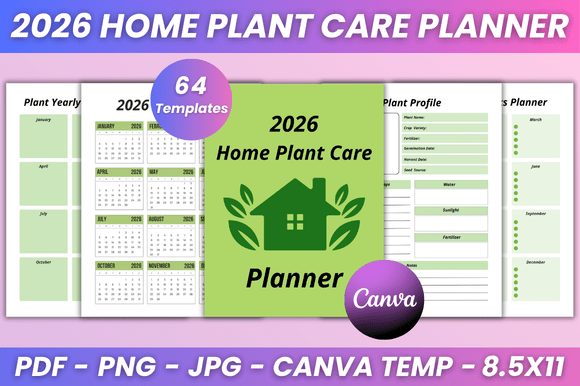
The interior is built around a full 2026 calendar and monthly planner from January through December. This time-bound structure is crucial because plant care is seasonal. Light angles shift, temperatures drop, and watering needs change month by month. Having a yearly calendar baked into your planner means you can anticipate those shifts instead of reacting to them.
Feature Breakdown: What You Actually Get
The feature list for the 2026 Home Plant Care Planner Kdp Interior is extensive, but each component serves a distinct purpose. Here is a closer look at what is included and how you might use each section.
Core Planning Tools
- Belongs To page – Personalize the planner with your name or the name of your garden. A small detail that makes the planner feel like yours.
- Editable Files – Every file comes with an editable Canva link. You can customize it based on your requirement before printing or saving as PDF, JPG, or PNG.
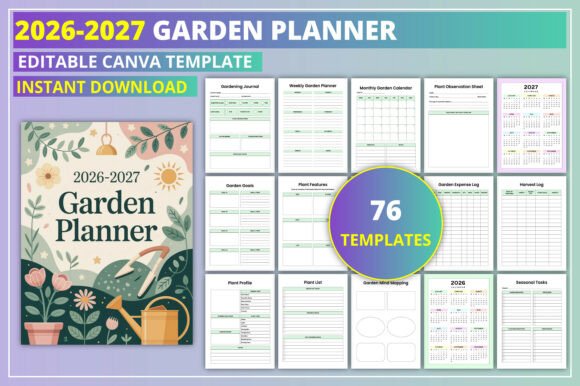
- 2026 Calendar and Monthly Planner (January – December) – The backbone of the entire system. Use it to mark repotting dates, seasonal tasks, and upcoming purchases.
- Important Notes – A catch-all space for observations that do not fit elsewhere. Maybe that one orchid always blooms in late February, or your calathea sulks after being moved.
Health and Maintenance Trackers
- Watering Schedule – Not all plants drink on the same rhythm. This section lets you customize a schedule for each plant, with room to adjust as seasons change.
- Pest Disease Log and Pest Control – Catch infestations early by logging symptoms and treatments. Over time, you will spot patterns and learn which remedies work best for your space.
- Soil Status – Track when you last amended or replaced soil. Healthy soil is the foundation of healthy plants, and this log prevents you from forgetting.
- Fertilizers Inventory – Keep a running list of what you have, what you need, and when you last fed each plant. No more buying duplicate bottles or skipping a feed because you lost track.
Wishlist and Budget Planning
- Plant Wishlist and Garden Wishlist – Two separate lists for plants you want to acquire and broader garden projects you dream about. Separating them keeps your priorities clear.
- Produce Budget and Gardening Budget – If you grow herbs, vegetables, or fruit, track what you spend versus what you harvest. These budget pages help you see the real cost and value of your garden.
- Shopping List – Plants – A focused list for nursery trips. Write down exactly what you are looking for so you do not come home with impulse buys that do not suit your conditions.
Garden Layout and Mapping
- Garden Layout Multiple Sections – Break your garden into zones: indoor shelves, a balcony, a greenhouse, a raised bed. Map each section separately.
- Plant Map and Flower Plant Layout – Visual planners for arranging your plants. Group by light needs, water frequency, or aesthetic goals.
- Crop Rotation – Essential for edible gardens. Track what was planted where so you can rotate effectively and prevent soil depletion.
- Garden Organizer – A high-level overview of everything in your care. Use it as a quick reference when you are planning your week.
Monthly and Weekly Planners
- Monthly Garden Calendar and Monthly To-Do List – Each month gets its own spread. Write tasks like "prune roses" or "check for spider mites" so nothing slips.
- Weekly Garden Planner – A more granular view for busy weeks. Break down watering, fertilizing, and inspection tasks by day.
- Seasonal Checklist – A separate section for tasks that only happen once a quarter, like overwintering tender perennials or starting seeds indoors.
Plant-Level Logging
- Plant Profile and Plant Log – Dedicated pages for each plant. Record species, purchase date, light requirements, and growth notes.
- Propagation Tracker – If you propagate, you need this. Log cuttings, water changes, potting dates, and success rates.
- Repotting Tracker – Know when each plant was last repotted and what size pot it moved into. Overwatering often starts with a plant that is root-bound but looks dry.
- Seed Starting Log – Record sowing dates, germination rates, and transplant dates. Over time, you will build a personalized seed-starting calendar.
Specialized Trackers
- Plant Mind Mapping – A creative page for brainstorming plant arrangements, companion planting ideas, or solving a recurring problem.
- Plant Yearly Calendar – An at-a-glance view of the whole year for each plant. Mark bloom periods, dormant phases, and propagation windows.
- Houseplants Wishlist and Houseplants Tasks Planner – Two focused pages for indoor plants specifically, keeping indoor care separate from outdoor garden tasks.
- My Plants Ideas – A brainstorming space for future projects, like building a moss pole wall or setting up a terrarium.
- Garden Spraying Tracker and Garden Pruning Tracker – Log treatments and pruning events to avoid over-spraying or cutting at the wrong time.
Who Benefits from the 2026 Home Plant Care Planner Kdp
The honest answer is almost anyone who cares for plants, but some users will find it especially valuable.
New plant parents often struggle with consistency. A planner like this provides structure without being overwhelming. You do not need to fill every page on day one. Start with the watering schedule and plant profile sections, then expand into pest logs and budgets as your collection grows.
Gardeners with large collections need a system that scales. The multiple garden layout sections, plant maps, and inventory trackers make it possible to manage dozens or even hundreds of plants without losing track of individual needs.
Creators and small business owners who sell plants, cuttings, or garden content can use the budget and wishlist pages to track inventory and plan purchases. The editable Canva link also lets you brand the planner with your own colors and logo if you want to offer it to clients or followers.
Anyone using KDP or print-on-demand will appreciate that the files come in high-quality print-ready 8.5 x 11 inch PDF, plus JPG and PNG formats. You can upload directly to Amazon KDP, Etsy, or your own shop without extra formatting work.
Real-World Scenarios: How the Planner Works in Practice
Let me walk through two scenarios to show how the 2026 Home Plant Care Planner Kdp Interior might play out in real life.
Scenario one: The seasonal transition. It is late October, and you know your plants will need less water as winter approaches. You flip to the monthly garden calendar and write "reduce watering frequency by half for succulents" on November 1. You check your pest disease log and notice that last December you had a fungus gnat outbreak. You add a preventive note to the pest control page: "apply mosquito bits to soil of all potted plants mid-November." The transition feels smooth because you planned ahead.
Scenario two: The propagation project. You want to propagate your monstera and give cuttings to three friends. You open the propagation tracker, log the date you took cuttings, and note whether you used water or sphagnum moss. Over the next few weeks, you update the log with root development observations. When the roots are ready, you use the plant wishlist page to confirm which friends still want a cutting, then pot them up and log the repotting date in the repotting tracker. Without the planner, you might have forgotten which cutting belonged to which friend or missed the optimal potting window.
Strengths and Practical Considerations
The strongest feature of the 2026 Home Plant Care Planner Kdp is its flexibility. Because every template is editable on Canva, you can strip away sections you do not need and duplicate sections you use heavily. If you are a vegetable gardener, you might print extra crop rotation and produce budget pages. If you specialize in houseplants, you can focus on the plant log, watering schedule, and pest control sections.
The print-ready formats (PDF, JPG, PNG) give you freedom in how you use the planner. Print the whole thing as a binder, print individual pages as needed, or use a tablet with a stylus to fill in templates digitally. The 8.5 x 11 inch size is standard and fits most binders and printers without scaling issues.
A consideration worth noting is that the planner requires Canva access to edit the templates. If you do not already use Canva, the free tier is sufficient for basic edits like changing fonts and colors. The paid Canva Pro tier unlocks premium elements and backgrounds, but the templates themselves are ready to use with the free version. You will also need a basic comfort level with drag-and-drop editing, though the process is straightforward and well-documented.
Another practical point: the planner is designed for 2026 specifically, so the calendar and monthly pages are tied to that year. If you want to use it beyond 2026, you would need to adapt the calendar pages manually or wait for a future edition. That said, the non-dated sections—like the plant profile, watering schedule, and pest logs—are evergreen and will serve you in any year.
How to Choose the Right Planner for Your Needs
If you are comparing this planner to others, focus on what you actually need to track. A minimalist might only need a watering schedule and a few plant profiles. A serious gardener might need crop rotation, budget tracking, and multiple layout maps. The 2026 Home Plant Care Planner Kdp Interior covers both ends of that spectrum because you can remove or add pages as you like.
Also consider how you prefer to plan. If you like digital planning, the editable Canva link and PNG/JPG formats let you keep everything on your tablet. If you prefer paper, the print-ready PDF means you can print at home or at a local shop and bind it however you like.
If you plan to sell the planner as a KDP product, the high-resolution print-ready files and multiple format options make listing straightforward. The interior is complete, so you do not need to design each page from scratch. You can customize the Canva template to match your brand and then export as needed.
Final Thoughts
The 2026 Home Plant Care Planner Kdp is more than a collection of pages—it is a system that adapts to the way you actually care for plants. The editable Canva link, the range of trackers, and the year-long calendar structure give you both freedom and direction. Whether you are logging your first seed start or mapping out a greenhouse layout, this planner helps you stay consistent without feeling rigid.
Good plant care comes down to observation, consistency, and a little bit of record-keeping. The 2026 Home Plant Care Planner Kdp Interior gives you the tools to practice all three, on your own terms. And because you can edit every template, it grows right along with your garden.