Nurturing Empathy: The Lasting Value of Kindness Activities for Kids
Children inhabit a world of concrete experiences. They learn the alphabet by tracing letters, mathematics by counting blocks, and science by mixing colors. Yet, some of the most profound human capacities—empathy, compassion, and kindness—remain abstract concepts that are far more challenging to teach through traditional methods. This is where thoughtfully designed Kindness Activities for Kids become indispensable. They transform the intangible ideal of "being kind" into a series of manageable, understandable, and repeatable actions. By leveraging structured resources, caregivers and educators can build a foundational framework for character development that sticks with a child long after the page is turned.
The Critical Window for Social-Emotional Learning
During early and middle childhood, the brain is exceptionally receptive to social cues. This developmental window is the optimal time to plant the seeds of empathy and positive behavior. However, telling a child to "be kind" without providing the tools to understand what that means is often ineffective. A child might not recognize a sad expression, may not know how to comfort a peer, or might struggle to articulate their own feelings of frustration. Structured Kindness Activities for Kids bridge this gap. They offer scenarios, prompts, and reflections that guide a child through the process of recognizing emotions, considering perspectives, and choosing kind responses. This hands-on approach ensures that kindness is not just a command but a learned skill, practiced and refined over time.
Characteristics of High-Impact Kindness Resources
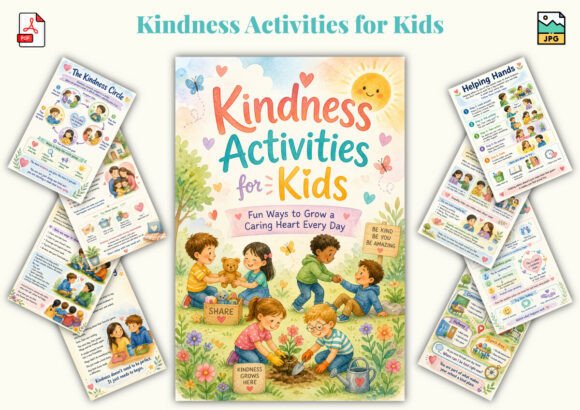
Not all educational materials are created equal. When evaluating resources for social-emotional learning, several key characteristics determine their effectiveness. A high-quality workbook, such as a Kindness Activities for Kids 31-page printable workbook, is designed with the child's cognitive and emotional needs in mind.
Thoughtful Format and Design
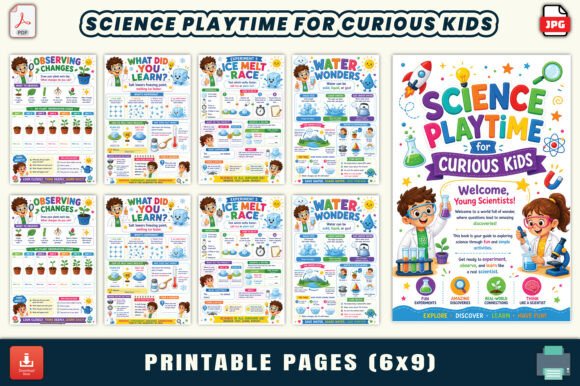
The physical or digital format of a resource plays a significant role in its usability. A compact size, such as 6 × 9 inches, is particularly effective for young learners. It is small enough to fit into a backpack or a lap, making it non-intimidating and personal. The soft, minimal layouts so common in effective workbooks are intentional; they reduce visual noise and allow the child to focus entirely on the activity. This clean design philosophy creates a calm learning environment, which is crucial when dealing with sensitive topics like feelings and relationships.
The Utility of Flexible Formats
Resources that offer a JPG PDF file format provide unmatched flexibility. For educators, a PDF can be projected onto a smartboard for a group discussion, or specific pages can be printed individually for classroom stations. For parents and homeschoolers, the JPG format allows pages to be used on a tablet with drawing apps, reducing paper waste. The ability to reprint a specific activity—like a kindness checklist or an emotion reflection guide—means that families can revisit challenging concepts without needing a new workbook. This adaptability makes the resource sustainable and deeply practical for repeated use.
Content Variety and Non-Repetition
Children quickly become disengaged with repetitive worksheets. A robust resource avoids this by offering a diverse mix of content. When a workbook contains 31 unique, thoughtfully designed pages, it respects the child's need for novelty while systematically building a comprehensive understanding of kindness. The best resources blend different types of engagement: activities that require physical interaction (like drawing or matching), reflections that encourage introspection, checklists that promote accountability, and guides that provide clear instruction. This variety ensures that children with different learning styles—visual, kinesthetic, reading/writing—all find entry points to connect with the material.
Practical Workflows for Educators and Families
The true value of Kindness Activities for Kids emerges when they are woven into the fabric of daily life. A stack of worksheets used in isolation will have limited impact. However, when integrated thoughtfully, they become powerful catalysts for behavioral change.
In the Classroom Setting
Teachers can use these resources as a core component of their Social-Emotional Learning (SEL) curriculum. For example, a morning meeting might begin with a single page focusing on "kind words." Students can complete the activity individually, then share their answers with a partner. This not only reinforces the lesson but also builds classroom community. During transitions, a quick checklist from the workbook can help students self-regulate: "Did I use kind words? Did I help a friend?" For educators, having a print-ready, high-quality source of activities eliminates the hours spent searching for lesson plans. It provides a coherent, structured path through complex emotional territory.
At Home and in Homeschooling
For parents, a dedicated kindness workbook serves as a bonding tool. It creates a shared vocabulary around empathy and positive behavior. A parent might sit with their child and work through an activity that asks, "How does it feel when someone shares with you?" This opens a dialogue that might not otherwise occur. In homeschooling environments, where character education is often prioritized, these resources offer a formal structure to complement real-world experiences. Assigning one page per day creates a month-long journey focused on becoming a more compassionate individual. The easy-to-understand language used in these materials ensures that even early readers can participate with minimal assistance, fostering independence and confidence.
For Youth Groups and Counselors
The applications extend beyond the typical classroom and home. Therapists, counselors, and youth group leaders can use these pages as prompts for deeper discussion. An activity focused on understanding empathy and emotions can help a child articulate feelings they may be struggling with in a safe, structured way. The non-academic, heartwarming design makes the work feel less clinical and more like a creative exploration of the self.
Cultivating Long-Term Character Traits
The ultimate goal of engaging with Kindness Activities for Kids is not to simply complete a workbook, but to internalize its lessons. The activities are designed to bridge the gap between understanding and action.
From Activities to Daily Habits
When children repeatedly engage with concepts like "using kind words" and "helping others," these behaviors move from conscious effort to automatic habit. A weekly kindness checklist encourages a child to actively look for opportunities to be helpful. Over time, the child trains their brain to scan for ways to contribute positively, rather than focusing solely on their own needs. This shift is profound and contributes directly to building positive habits and friendships. Children who practice kindness are more likely to be sought after as playmates and collaborators, creating a positive feedback loop of social success.
The Role of Self-Reflection
One of the most powerful components of a well-rounded workbook is the inclusion of self-reflection. Activities that ask a child "How did that make you feel?" or "What could you do differently next time?" cultivate metacognition—the ability to think about one's own thinking. This practice is essential for developing confidence through thoughtful activities. A child who can honestly assess their own actions, celebrate their successes, and plan for improvement is building a resilient and growth-oriented mindset. They learn that kindness is not about being perfect, but about being mindful and making an effort.
Building a Foundation of Empathy
The core of all kindness education is empathy. By systematically working through activities that explore different scenarios and emotions, children begin to understand that other people have feelings, thoughts, and perspectives that may differ from their own. This realization is the cornerstone of compassionate behavior. When a child can look at a peer who is sad and recognize that feeling because they have named it and explored it on a worksheet, they are equipped to respond with empathy rather than confusion or indifference. This ability to connect with others on an emotional level is a key indicator of future personal and professional success.
A Holistic Approach to Character Development
Raising children who are caring, confident, and compassionate requires more than occasional lectures. It demands consistent, engaging, and thoughtful exposure to the concepts of empathy and positive behavior. A resource like the Kindness Activities for Kids – 31 Page Printable Workbook provides a structured, ready-to-use framework for this critical task. Whether used in a bustling classroom, a quiet homeschooling room, or a therapy session, the combination of diverse activities, reflective prompts, and practical checklists offers a complete toolkit.
The journey of nurturing a kind heart is a gradual one. It is built in small moments: a shared crayon, a comforting hug, a cheerful greeting. By providing children with the language, the examples, and the space to practice these actions, we empower them to not only understand kindness but to live it. The investment in such resources is an investment in a child's future relationships, their self-esteem, and their capacity to contribute positively to the world around them. Through deliberate practice and supportive guidance, the seeds of empathy planted today will blossom into a lifetime of meaningful connection and positive action.