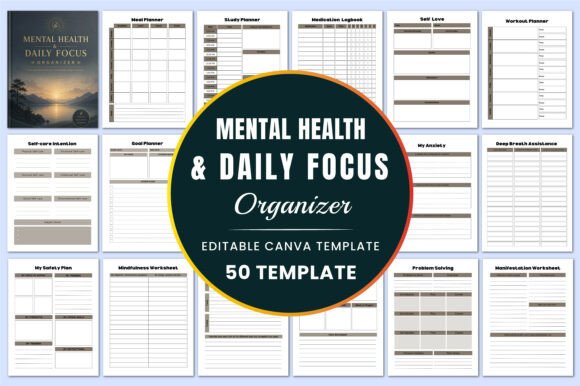
Mental Health Daily Focus Organizer: A Comprehensive Tool for Tracking Well-Being and Building Mindful Routines
When managing mental health, small daily habits often matter more than occasional big efforts. Tracking moods, noting triggers, and maintaining routines can help you stay grounded—but the right structure makes all the difference. The Mental Health Daily Focus Organizer brings together multiple tracking and journaling elements in one place, designed to support your well-being without overwhelming you. Whether you are new to structured self-care or looking for a more integrated approach, understanding what this organizer offers and how it compares to other methods can help you decide if it fits your needs.
What Makes the Mental Health Daily Focus Organizer Distinct
This organizer is not a simple notebook or a single-purpose tracker. It combines over 40 different sections that cover mood, habits, therapy, nutrition, exercise, and mindset work. Rather than buying separate journals for gratitude, meal planning, and anxiety tracking, you get one resource that ties these areas together. The scope is broad, but the structure keeps each section focused and usable.
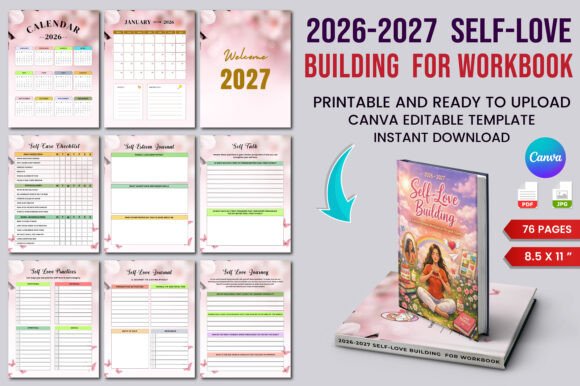
Key elements include sleep and water tracking, therapy notes, a medication logbook, self-love affirmations, a workout planner, and daily manifestation prompts. There are also dedicated pages for anxiety management—such as an anxiety log, worry exploration, deep breathing exercises, and a safety plan—alongside mindfulness and acceptance worksheets. The wheel of life, goal planner, and self-care bucket list add a forward-looking dimension that many daily journals lack.
What sets this organizer apart is the balance between structured tracking and open reflection. You can monitor symptoms and habits with checklists and logs, then use journal entries, gratitude pages, and letters to yourself for deeper processing. This dual approach accommodates both analytical users who want data and those who prefer expressive writing.
Comparing the Organizer to Other Self-Care Approaches
Many people use separate tools for different aspects of mental health. A mood tracker app on your phone, a separate gratitude journal, a planner for daily tasks, and maybe a notes app for therapy reflections. The Mental Health Daily Focus Organizer consolidates these into one physical book. This reduces the friction of switching between tools and gives you a single place to review patterns.
Compared to digital apps, the organizer has tradeoffs worth considering. Apps can send reminders, generate charts, and let you search past entries quickly. But they also come with screen time, notifications, and potential privacy concerns. A physical organizer offers a screen-free, tactile experience that many find calming. Writing by hand can help you slow down and process emotions more fully. If you value privacy and want to avoid digital distractions, this format may suit you better.
Compared to simpler journals—like a basic gratitude diary or a mood tracker—this organizer is far more comprehensive. You get sections for meal planning, study planning, medication logs, and even stress relief coloring. This breadth can be helpful if you want to address multiple areas of life in one routine. However, if you only need a single focus, such as tracking anxiety or building a workout habit, a more targeted tool might feel less bulky.
Strengths and Practical Benefits
One of the strongest aspects is the inclusion of mental health-specific sections that go beyond generic goal setting. The anxiety log, worry exploration worksheet, and acceptance worksheet are grounded in approaches used in cognitive behavioral therapy and mindfulness-based practices. These pages guide you to identify thoughts, challenge them, and develop coping strategies. For anyone in therapy or working on self-directed growth, these sections can reinforce what you are learning.
The medication tracker and logbook are especially valuable if you are managing prescriptions. Keeping a consistent record of doses, timing, and effects can help you and your healthcare provider make informed adjustments. Many general planners do not include this feature, so it is a notable strength of this organizer.
The daily gratitude page and self-love affirmations support positive psychology practices that are widely recommended for improving resilience and outlook. Having these embedded in the same book as your stress tracker and symptom log means you move from acknowledging difficulties to actively cultivating strengths—all within the same routine.
The meal planner, food journal, and water tracker add a nutritional dimension that is often overlooked in mental health tools. Diet and hydration directly affect mood and energy, so tracking these along with your mental state can reveal connections you might otherwise miss.
Considerations and Potential Limitations
With so many sections, some users may find the organizer feels dense. If you prefer minimalism or have limited time for daily tracking, you might not use every page consistently. It helps to view the organizer as a menu rather than a checklist—you can choose which sections to use on any given day. The key is to avoid feeling pressured to fill everything.
Another factor is portability. Because the organizer covers many topics, it is larger than a pocket notebook. If you plan to carry it everywhere, consider how it fits into your bag and daily routine. Some users may prefer a smaller companion for on-the-go tracking and use this organizer as a home base for deeper reflection.
There is also the question of digital versus analog preferences. If you are already comfortable with apps and spreadsheets for habit tracking, the shift to a physical book may feel like a step backward. However, many people find that writing by hand improves retention and emotional processing. The best choice depends on your personal workflow and comfort with each format.
When the Mental Health Daily Focus Organizer Is a Good Fit
This organizer is well suited for anyone who wants to build a consistent self-care routine across multiple life areas. It works especially well if you are managing anxiety or depression and want to track symptoms alongside daily habits. The combination of structured logs and reflective journaling gives you both data and emotional insight.
If you are in therapy, the therapy notes section and anxiety log can help you prepare for sessions and track progress between appointments. The goal planner and wheel of life are useful if you are working on life balance and long-term growth. For students, the study planner and meal planner add practical support for managing academic and personal health.
People who enjoy variety in their journaling will appreciate the mix of worksheets, checklists, coloring pages, and free writing prompts. Having different formats can keep the practice engaging over time.
When Another Option May Be Better
If you need a tool focused on a single concern—such as a dedicated sleep tracker or a workout log—a specialized resource may serve you better. The Mental Health Daily Focus Organizer is designed for breadth, so it may not go as deep on any one topic as a niche journal would.
Similarly, if you prefer fully digital tracking with automatic insights and reminders, an app may be more practical. Physical journals require you to remember to write and to review entries manually. For some, this is part of the benefit; for others, it is a barrier.
If you are looking for a quick, low-commitment way to start tracking your mood, a simpler tool with fewer sections might feel less intimidating. You can always move to a more comprehensive organizer later as your practice develops.
How to Get the Most Out of the Organizer
Start by flipping through all the sections and noting which ones resonate with your current needs. You do not have to use every page every day. Many people begin with the mood tracker, daily planner, and gratitude page, then add other sections as they get comfortable.
Set aside five to ten minutes each day for consistent use. Morning is a good time to set intentions and plan meals or study. Evening is ideal for reflecting on the day, completing the mood log, and writing a gratitude entry. The stress relief coloring and deep breathing pages can serve as calming activities during breaks.
Review your entries weekly or monthly to identify patterns. The sleep tracker, symptom log, and stress tracker can reveal how your habits affect your mental health. Use the goal planner and manifestation worksheet to adjust your focus as needed.
Consider bringing the organizer to therapy appointments. The anxiety log and therapy notes sections can help you communicate more clearly with your therapist and track the strategies that work.
Making an Informed Choice
The Mental Health Daily Focus Organizer is a comprehensive resource for anyone serious about tracking and improving their mental health through daily practice. Its strength lies in the variety and depth of its sections, covering everything from medication logs to self-love affirmations. It is not a one-size-fits-all solution, but for many people, it offers a structured yet flexible framework for building mindful routines and reducing stress.
When choosing a mental health tool, consider your personal habits, goals, and preferences. If you value a screen-free, all-in-one approach that supports multiple dimensions of well-being, this organizer is a strong candidate. If you prefer minimalism, digital tools, or a single focus, you may want to explore simpler or more specialized alternatives. Either way, the most important factor is consistency—using a tool that fits your life and helps you show up for yourself each day.