Home Cleaning Schedule Planner for a Stress-Free Home
Keeping a home clean and organized can feel like a never-ending task. Between work, family, and personal time, finding the energy to scrub floors or declutter closets often falls to the bottom of the priority list. A Home Cleaning Schedule Planner offers a structured way to manage household tasks without the overwhelm. It transforms chaotic cleaning into a manageable routine that fits your lifestyle.
This guide is not about perfection. It is about creating a system that works for you, whether you live alone, share space with roommates, or manage a busy household. The goal is to help you maintain a home that feels welcoming and functional, without sacrificing your sanity.
What Is a Home Cleaning Schedule Planner?
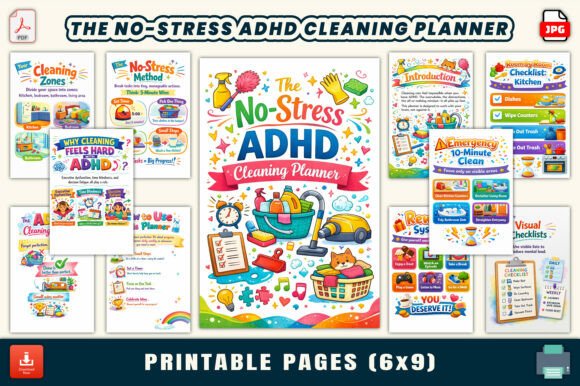
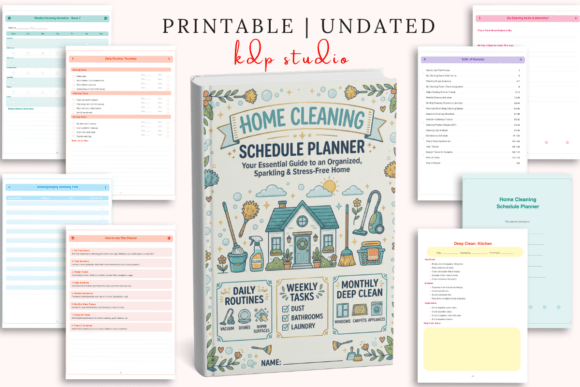
A Home Cleaning Schedule Planner is a comprehensive tool that helps you organize cleaning tasks across daily, weekly, and seasonal timeframes. It goes beyond a simple checklist by including strategy pages for setting cleaning goals, tracking your supply inventory, and assigning chores to family members or housemates. The planner provides a complete system for household management, making it easier to stay consistent and reduce stress.
The planner is divided into sections that guide you through defining your motivation, establishing routines, and tracking progress. Daily routine trackers focus on small but impactful tasks like making beds, washing dishes, and wiping surfaces. Weekly schedules allow you to tackle different zones of the house systematically. Seasonal deep cleans ensure that nothing gets neglected over time.
Why Different People Care About Cleaning Planners
A Home Cleaning Schedule Planner matters for different reasons depending on your situation. Understanding these perspectives can help you decide if this tool aligns with your needs.
Busy Professionals and Freelancers
If your work and personal life leave little room for housekeeping, a structured planner keeps you accountable without requiring hours of planning. You can glance at your daily tracker, complete a few tasks, and move on. The weekly zone-based schedule ensures that high-traffic areas like the kitchen and bathroom get regular attention. For freelancers working from home, a clean environment directly impacts focus and productivity. The planner helps you maintain a workspace that supports your professional output.
Parents and Household Managers
For parents, cleaning is often a shared responsibility. The chore assignment pages make it easy to involve everyone, from young children to teenagers. You can assign age-appropriate tasks and track completion without nagging. The daily routine trackers help establish habits that keep the home functional even on chaotic mornings. Weekend deep-cleaning schedules allow you to tackle bigger projects as a team, turning chores into family time rather than a solo burden.
Beginners Who Feel Overwhelmed
If you have never used a cleaning planner before, starting can feel intimidating. This system breaks the process into small, achievable steps. You begin with defining your motivation and setting realistic goals. The supply inventory page helps you assess what you already have, so you do not waste money on duplicates. The daily trackers focus on five-minute tasks that build momentum. Over time, these small actions create lasting habits.
Experienced Organizers and Hobbyists
Even if you already have a cleaning routine, a dedicated planner can help you refine your system. You may use the weekly schedules to experiment with new cleaning products or techniques. The seasonal deep-cleaning sections provide a framework for tackling areas you rarely address, such as behind appliances or inside closets. For hobbyists who enjoy home care, the planner becomes a satisfying way to track progress and celebrate completed projects.
Educators and Content Creators
Teachers, bloggers, and social media creators often share cleaning tips with their audiences. A structured planner can serve as a reference tool for developing content. You can pull ideas from the daily and weekly routines to create tutorials, checklists, or printables for your followers. The planner also helps you test different approaches to cleaning, so you speak from experience when recommending methods to others.
Key Features That Meet Different Needs
A good Home Cleaning Schedule Planner offers flexibility, clarity, and practical value. Here are the features that matter most depending on your priorities.
Goal Setting and Motivation Pages
Understanding why you want a cleaner home is the first step. The motivation section helps you articulate your reasons, whether it is reducing allergens, creating a calm environment, or preparing for guests. This page is especially useful for professionals and parents who need a clear sense of purpose to stay consistent. When your motivation is written down, it is easier to return to on days when cleaning feels like a chore.
Cleaning Supply Inventory
A supply inventory page prevents last-minute trips to the store and reduces waste. Beginners will appreciate knowing exactly what they need before starting a task. Experienced users can use this section to track product performance and avoid buying duplicates. Business owners who manage rental properties or cleaning services can also use this feature to ensure their team always has the right tools on hand.
Chore Assignment Pages
Assigning tasks to family members or roommates reduces resentment and builds shared responsibility. The chore assignment pages are designed for households with multiple people. Each person can have a dedicated spread with their weekly or daily tasks. This feature is invaluable for parents teaching children life skills and for roommates who want to divide work fairly. It also removes the mental load of remembering who is responsible for what.
Daily Routine Trackers
Daily trackers focus on small, high-impact tasks that keep a home functional. Making beds, washing dishes, wiping counters, and sweeping high-traffic areas take just a few minutes each day but prevent clutter from accumulating. For busy professionals, these tasks maintain a baseline of cleanliness without requiring a full deep clean. The trackers are designed to be quick to fill out, so they do not become another chore.
Weekly Cleaning Schedules
Weekly schedules organize your cleaning by zones, such as kitchen, living room, bedrooms, bathrooms, and home office. Each day focuses on one area, so you never feel overwhelmed by trying to clean everything at once. This approach works well for beginners who need structure and for experienced users who want to ensure nothing is overlooked. The zone-based method also makes it easy to delegate specific areas to different household members.
Practical Examples for Different Reader Types
Here is how a Home Cleaning Schedule Planner might look in real life for different people.
- For a freelancer working from home: Monday focuses on the home office, Tuesday on the kitchen, Wednesday on the living room, Thursday on the bathroom, and Friday on bedrooms. Daily tasks include wiping your desk, washing dishes, and making the bed. Seasonal deep cleans happen quarterly to tackle windows, curtains, and baseboards.
- For a parent with two young children: Daily tasks are shared between you and your partner. Morning routines include making beds and wiping bathroom sinks. Evening routines focus on dishes and clearing clutter from common areas. Weekly zones are split into weekend projects that the whole family participates in, with each child responsible for putting away their toys and dusting their room.
- For a content creator who shares cleaning tips: You use the weekly schedules to test different cleaning methods and document results for your audience. You track which products work best on different surfaces. The seasonal deep-cleaning sections inspire content ideas for spring cleaning, holiday prep, and organizing before moving.
- For a beginner who has never used a planner: You start with just three daily tasks: make the bed, wash dishes after dinner, and wipe the kitchen counters. After two weeks, you add a weekly zone to your Saturday morning routine. The supply inventory page helps you buy only the essentials, so you do not feel pressured to own every cleaning product on the market.
How to Choose the Right Planner for Your Needs
When evaluating a Home Cleaning Schedule Planner, consider your priorities. If ease of use matters most, look for a planner with simple daily trackers and minimal setup. If flexibility is important, choose one that allows you to customize zones and tasks. For long-term usefulness, a planner with seasonal sections and goal review pages adds lasting value.
Beginners should prioritize planners that include motivation pages and supply inventories, as these features reduce the learning curve. Experienced users may prefer planners with more detailed weekly and monthly spreads that allow for customization. Creators and educators should look for planners that offer reproducible pages or templates they can adapt for their audience.
Cost is also a factor. A paper planner may be a one-time purchase, while digital versions might offer recurring updates or printable components. Consider how often you will use the planner and whether the format fits your daily routine. Some people thrive with a physical book they can write in; others prefer a digital file they can access from their phone or tablet.
Quality matters in terms of paper thickness, binding durability, and layout clarity. A planner that lies flat when open is easier to use during cleaning sessions. Print size and column width should accommodate handwriting comfortably. If you plan to share the planner with family members, readability and space for multiple names or tasks become important.
Aligning the Planner with Your Goals
Before committing to a Home Cleaning Schedule Planner, reflect on your cleaning goals. Do you want to reduce daily stress? Prepare for regular guests? Instill responsibility in your children? Create content for your platform? The planner you choose should support those specific outcomes.
If your main goal is mental clarity, focus on the motivation and daily tracker sections. If you are preparing for a move or renovation, the seasonal deep-cleaning pages will serve you best. For those teaching life skills, the chore assignment spreads are the most valuable. There is no single right way to use the planner. Adapt it to your rhythm.
The true value of a cleaning planner is not in the pages themselves but in the consistency it encourages. A home that is cleaned a little every day stays more comfortable than one that is deep-cleaned once a month. The planner helps you shift from reactive cleaning to proactive maintenance. Over time, the habits you build reduce the effort required to keep your space inviting.
Final Thoughts on Practical Home Management
A Home Cleaning Schedule Planner is a practical tool for anyone who wants to spend less time worrying about housework and more time enjoying their home. Whether you are new to routines or refining an existing system, the structured approach supports real progress. The planner respects your time by focusing on what matters most for your living space and your mental well-being.
There is no shame in needing help with cleaning. Life is busy, and homes get messy. What matters is having a reliable system you can return to again and again. A well-designed planner removes the guesswork and gives you a clear path forward. If you value a clean home but struggle to maintain it, this planner might be the tool that finally makes consistency feel achievable.