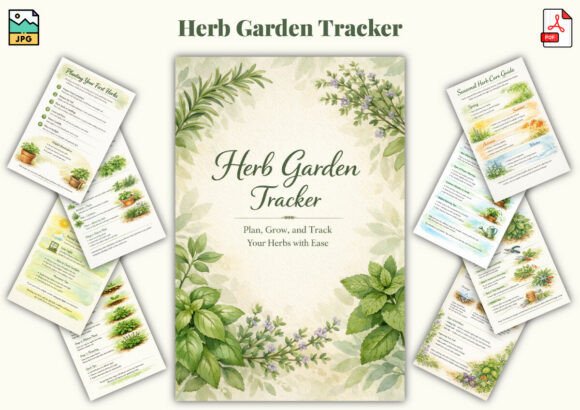
Herb Garden Tracker: Plan, Grow, and Track Your Herbs with Ease
If you’ve ever planted a few basil seedlings in a sunny window or started a small mint pot on the porch, you know how quickly things can get messy. You forget to water one day, then overwater the next. You lose track of when you planted, which herbs need full sun, or whether that rosemary actually survived the weekend heat wave. That’s where the Herb Garden Tracker comes in. It’s not just a notebook with pretty pages—it’s a practical system designed to help you plan, monitor, and care for your herbs without the guesswork.
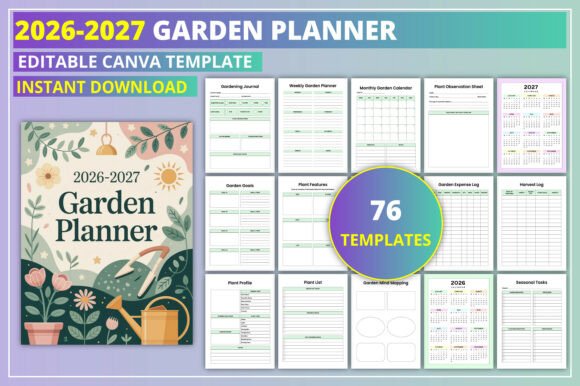
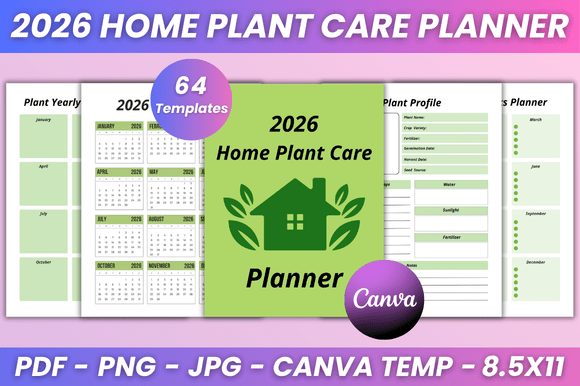
Whether you’re growing herbs on a kitchen windowsill, in a backyard raised bed, or on a balcony in containers, this tracker gives you a clear framework. No more relying on memory or sticky notes that fade in the sun. With 27 thoughtfully designed pages, you get a complete toolkit that fits into your daily life—whether you’re a total beginner or someone who’s been growing herbs for seasons.
Where the Herb Garden Tracker Fits Into Real Life
The beauty of this tracker is how adaptable it is. You don’t need a sprawling garden or a greenhouse. In fact, many people who use it live in apartments or small houses where space is limited. They might have a few pots on a balcony rail or a single shelf by a south-facing window. The tracker works just as well for those setups as it does for someone with a full raised bed in the backyard.
One common scenario is the weekend gardener who wants to grow herbs for cooking. You know the feeling: you buy a small basil plant from the grocery store, use a few leaves for pasta, and then watch it slowly wilt because you forgot to water it. With the Herb Garden Tracker, you can log watering schedules, note sunlight exposure, and even track when you last fertilized. Over time, you start to notice patterns—maybe your basil thrives when you water every other day, or your chives need more shade in the afternoon. That kind of data turns you from a casual hobbyist into someone who actually understands what each plant needs.
Another real use case is the parent or educator who involves kids in gardening. The clean layout and soft watercolor herb theme make it inviting for children to help fill in the pages. You can use the growth tracking sheets to show kids how a seedling becomes a full plant. They can color in the progress, note when the first leaves appear, and learn responsibility through watering logs. It turns gardening into a shared project rather than a chore.
Who Benefits from Using This Tracker
The audience for the Herb Garden Tracker is broader than you might think. It’s not limited to obvious herb lovers or home gardeners. Consider these people:
- Small business owners – If you run a small café, bakery, or juice bar and grow your own mint, basil, or rosemary for menu items, this tracker helps you maintain consistent supply. You can track which herbs are ready for harvest and when to replant, so you never run out during a busy weekend.
- Marketers and content creators – If you run a gardening blog, YouTube channel, or social media account about home growing, you can use the tracker to document your own herb garden. The notes you take become content ideas: “Here’s my watering schedule for basil in July” or “How I saved my dying cilantro with this tracker.” It’s a behind-the-scenes tool that adds authenticity.
- Educators and homeschool parents – Teaching plant science or life cycles? The tracker’s reflection and goal-setting pages double as lesson activity sheets. Students can plan a small herb garden, record observations, and evaluate their progress. It’s a hands-on way to learn about botany, responsibility, and even journaling.
- Freelancers and remote workers – If you work from home, you might find that tending herbs is a grounding break from screens. The tracker adds a gentle structure that turns a casual hobby into a satisfying routine. You can set goals like “harvest 3 bunches of parsley this month” and track your success.
- Publishers and hobbyists – Even if you don’t own a garden, you might use the tracker for reference or future planning. Many people buy it before they even start gardening, just to gather ideas and create a plan. The seasonal care guidance pages help you understand what to plant when, so when you finally do get soil and seeds, you’re ready.
How People Use the Different Sections
Let’s walk through some of the features and how they translate into real outcomes. The Herb Garden Tracker includes garden planning and layout pages. Instead of sketching on scrap paper, you have a dedicated space to map out your pots or beds. One user told me she used this section to plan a small vertical herb wall on her balcony. She noted which herbs could share a planter and which needed separate containers. That planning saved her from buying too many pots and overcrowding.
The herb growth tracking sheets are perhaps the most used pages. You can log planting dates, germination times, height measurements, and leaf production. A regular user might check their basil every few days, jot down a measurement, and then look back after two weeks to see how much it grew. That awareness helps you notice problems early—like when growth slows and you realize the soil is too dry or the plant needs more light.
Watering and care logs might seem mundane, but they’re vital for avoiding the two biggest mistakes: overwatering and underwatering. You record when you watered and how much. Over time, you learn the exact rhythm your garden needs. Some people even set reminders based on their logs: “If I watered on Monday, I’ll check again on Wednesday.” The tracker becomes your personal assistant.
Seasonal care guidance is another standout. Many gardeners forget that different herbs need different care in winter versus summer. The tracker includes pages that prompt you to think about frost dates, indoor relocation, and dormancy periods. That kind of seasonal awareness is something you usually only get after killing a few plants. With the tracker, you learn proactively.
Reflection and Goal-Setting: More Than Just Logs
The reflection and goal-setting pages add a layer of intention. You might set a goal like “grow enough oregano to dry for winter use” or “try growing three new herbs this year.” Then, at the end of the month, you reflect on what worked and what didn’t. This practice helps you improve season after season. It’s the kind of thoughtful approach that separates beginners from experienced growers. Even if you’re just starting, these pages guide you toward better habits.
What to Consider Before Using This Tracker
No tool is perfect for everyone, so it’s worth thinking about how the Herb Garden Tracker fits into your life. First, consider your commitment level. If you only want to plant a single pot of basil and never think about it again, the tracker might feel like too much. But if you find yourself wanting to learn and improve, it’s a great fit.
Second, think about how you prefer to organize. Some people love digital tools and might want a spreadsheet or app instead. But many gardeners find that a physical tracker helps them disconnect from screens. The 6×9 inch pages are portable and easy to keep near your garden area. You can also buy it as a PDF and print pages as needed, or use the included JPG files for digital note-taking if you prefer.
Third, consider your space. While the tracker works for indoor and outdoor gardens, you might need to adapt the layout pages if you have a very unusual setup (like a hydroponic tower). But the general principles still apply—you can note nutrient schedules and pH levels in the care logs.
Finally, be realistic about how much time you’ll invest. The tracker is most useful when you fill it in regularly, even just a few minutes each week. If you can commit to that, you’ll see real improvement in your herb garden.
Practical Examples in Action
Imagine a freelance writer who works from a small apartment. She loves cooking with fresh herbs but has killed three basil plants already. She downloads the Herb Garden Tracker, prints out a few pages, and starts logging. She notes that her basil gets only morning sun, so she adjusts its position. She logs watering every two days and sees that the soil dries out faster near the window. Within three weeks, her basil is thriving, and she has enough for weekly pesto. She even starts growing chives and mint.
Now consider a small business owner who runs a local farm stand. He grows thyme, oregano, and sage in raised beds. He uses the tracker to plan succession planting—logging when each bed is sown and when he expects harvest. The seasonal care pages remind him to cover his beds before a late frost. By tracking harvest weights, he can predict yields for market days. The tracker turns his garden into a more predictable business asset.
Another example: a homeschool mom uses the tracker with her two kids. They each pick one herb to care for. They use the growth tracking sheets to measure their plants every Saturday. They fill in watering logs together. The reflection pages become family discussions about what’s working. The kids learn patience, observation, and responsibility. The mom appreciates that the soft watercolor theme is pretty but not childish, so it works for all ages.
Why the Design Matters for Daily Use
The clean, minimal 6×9 inch layout with a soft watercolor herb theme isn’t just decoration. It makes the tracker approachable. You’re more likely to open a notebook that feels pleasant to look at. The pages aren’t cluttered with unnecessary graphics, so you have room to write. The theme also adds a calming effect—many users say they enjoy filling in the pages as a quiet ritual. That emotional connection helps you stick with the habit.
Having high-quality PDF and JPG files included means you can reprint pages if you make a mistake or want to start a new season fresh. Some users print a set for each herb they grow and keep them in a binder. Others use one book for multiple seasons. The flexibility is built in.
Final Thoughts on Growing with Intention
Whether you grow herbs for cooking, for gifts, for teaching, or just for the joy of watching something green come to life, the Herb Garden Tracker gives you a structure that supports your efforts. It doesn’t promise magical results or overnight expertise. Instead, it helps you learn from your own garden, one entry at a time. That’s the kind of tool that actually changes how you garden—not by telling you what to do, but by helping you see what you’ve done. Over a season, that awareness turns into skill. And skill turns into a garden that grows with you.