Daily Gratitude Journey: A Path to Focus and Clarity
For many adults with ADHD, the idea of starting a gratitude practice can feel like just another task destined to be abandoned. Traditional planners often demand a level of consistency and detail that feels impossible to maintain. The Daily Gratitude Journey, as integrated into the ADHD Mindful Planning System, offers a different approach. It is not about forcing positivity or rigidly documenting every moment. Instead, it provides a simple, calm structure designed to reduce mental clutter and gently guide your attention toward what actually matters.
What Makes This Approach Different
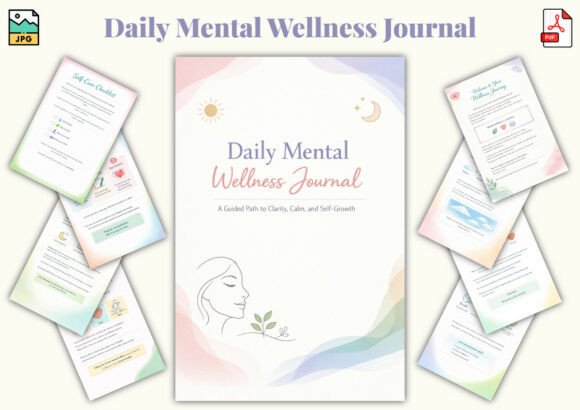
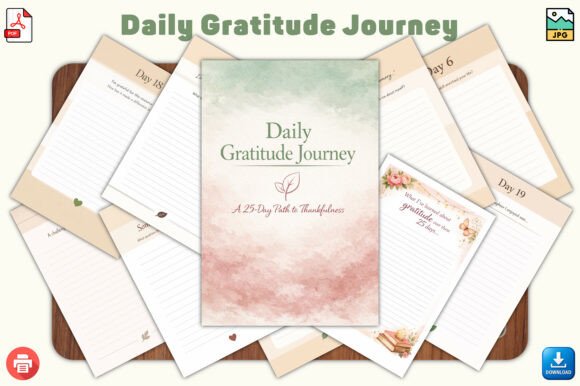
The core appeal of this system lies in its design for distraction-sensitive brains. Standard planners often overwhelm with dense layouts, too many columns, and bright colors that create visual noise. The ADHD Mindful Planning System strips all of that away. Every page follows a clean structure: a clear title, a guided prompt, generous writing space, and subtle icons. There is no visual overload. The layout is soft and calming, making it easy to start without feeling pressured to fill every line perfectly.
This planner is built on the understanding that executive dysfunction is real. Instead of fighting against your brain’s natural tendencies, it works with them. The system moves you from a state of chaos to clarity, and then toward consistent progress. It does not demand perfection. It asks only for a few moments of mindful attention each day.
Understanding Your Focus Patterns
One of the first sections in this 30-page planner is Focus Pattern Awareness. This is a practical tool to help you notice when and where your attention naturally flows. Are you sharper in the morning? Do you get a creative burst late at night? By tracking these patterns without judgment, you begin to schedule your most important work during your peak times. This insight alone can reduce the frustration of trying to force focus at the wrong moment.
For a freelance writer or a small business owner, knowing that focused work happens best between 10 AM and 12 PM means you can protect that window. The planner helps you identify that pattern and then act on it.
The Brain Dump and the Rule of 3
Mental clutter is a constant challenge for ADHD minds. The Brain Dump System included in this planner offers a dedicated space to empty your thoughts. Instead of keeping everything in your head, you write it down without any structure. Appointments, worries, random ideas, errands — all of it goes onto the page. This simple act can lower anxiety and free up mental energy.
After the brain dump, the Rule of 3 Priority Method helps you choose just three actionable items for the day. This is not about doing everything. It is about doing the few things that will make the most difference. For example, a marketer planning content might choose: outline one blog post, respond to two client emails, and review analytics. That is enough. The planner’s guided prompts keep this process straightforward and realistic.
Time Blocking and Focus Sprints
Many adults with ADHD struggle with time blindness. The Time Blocking Pages offer a visual way to allocate your day without overwhelming detail. You can block out an hour for deep work, thirty minutes for admin tasks, and fifteen minutes for a break. The layout is spacious enough to adjust as plans change, which they often do.
The 25-Minute Focus Sprint Sheets are designed around the Pomodoro technique. Each sprint is short enough to feel manageable but long enough to make progress. If you are a student studying for an exam, you can use one sprint to read a chapter and another to write notes. The sheets include a space to note what worked and what distracted you, which builds self-awareness over time.
When Overwhelm Strikes: Reset Pages
Overwhelm is a common experience for those with ADHD. The Overwhelm Reset Pages are one of the most valuable features in this system. When you feel stuck, scattered, or anxious, you turn to these pages. They guide you through a brief check-in: what is causing the overwhelm, what is within your control, and what one small step you can take next. These pages do not promise to solve everything, but they offer a structured way to regain footing.
For a busy parent managing a household, a reset page might help prioritize one task for the evening instead of trying to do all the chores at once. This reduces the spiral of self-criticism and keeps you moving forward.
Mood and Emotional Check-Ins
Emotional regulation is often tied to focus. The Mood and Emotional Check-Ins are brief prompts that help you notice your emotional state without trying to change it. Are you irritable? Restless? Flat? Simply naming the feeling can create enough distance to decide how to respond. These check-ins are subtle and take less than a minute. Over time, they build emotional vocabulary and self-understanding.
Weekly Planning and Habit Tracking
The Weekly Planning Layout is designed for flexibility. It does not force you to schedule every hour. Instead, it highlights your top priorities for the week, key appointments, and a space for notes. This layout works well for entrepreneurs who have varying weekly demands or for freelancers juggling multiple projects.
The Habit Tracker is intentionally minimal. It focuses on two or three habits you want to build or maintain. For a blogger, this might mean tracking whether you wrote for twenty minutes or engaged with your audience. The goal is consistency, not a perfect streak. The tracker’s clean design prevents the guilt that often comes with missing a day.
Celebrating Wins and Mapping Strengths
The Win Log Reflection Pages are a place to record small victories. ADHD minds tend to focus on what went wrong. This page flips that script. You can note a completed task, a moment of patience, or a creative idea you followed through on. Looking back at these wins builds motivation and self-efficacy.
The ADHD Strength Mapping section is a standout feature. Instead of focusing only on challenges, this part of the planner helps you identify your natural strengths. Are you good at generating ideas? Are you empathetic in conversations? Do you thrive under pressure? Knowing your strengths allows you to lean into them. A marketer might realize they excel at brainstorming but struggle with execution, so they can pair a brain dump session with a focus sprint to move ideas forward.
Where and How to Use This Planner
This system works well in multiple contexts. In a professional setting, a graphic designer can use the time blocking pages to allocate hours for client work and creative exploration. In a business context, a team leader can use the weekly layout to delegate tasks and track progress without micromanaging. For educators preparing lesson plans, the brain dump and rule of 3 methods help prioritize grading, planning, and communication with students.
The planner’s digital format includes high-quality JPG PDF files, making it easy to print at home or use on a tablet with a note-taking app. This flexibility means you can take it with you to a coffee shop, keep it on your desk, or access it on the go. The 6×9 inch size is portable without being cramped.
Important Considerations Before You Start
Before diving into the Daily Gratitude Journey with this planner, it helps to set realistic expectations. This is not a rigid system that requires you to fill every page. It is a tool, not a test. Some weeks you might use the focus sprints heavily. Other weeks, the overwhelm reset pages might be your main support. Let the planner adapt to your life, not the other way around.
Also, consider pairing the planner with a simple digital reminder to check in each day. A gentle alarm on your phone or a sticky note on your monitor can help you remember to use the system until it becomes a habit. Start with one section that feels most useful, like the brain dump or the daily prompt, and gradually explore the other pages as you feel ready.
Finally, understand that consistency looks different for ADHD minds. You might use the planner daily for a week, skip a few days, and come back to it. That is fine. The structure is designed to welcome you back without judgment. The goal is progress, not perfection.
Moving from Chaos to Consistent Progress
The Daily Gratitude Journey combined with the ADHD Mindful Planning System offers a realistic path for anyone who has struggled with traditional organization methods. It acknowledges the reality of distraction, overwhelm, and fluctuating motivation. Instead of fighting these traits, it provides a gentle framework to work around them.
Whether you are a professional managing multiple deadlines, a creator trying to move projects forward, or a small business owner wearing many hats, this system can help you find clarity in your day. The tools inside — from focus sprints to strength mapping — are practical, not theoretical. They are built for real life, with all its unpredictability.
If you have ever felt that a planner was working against you instead of for you, this approach is worth exploring. It is simple, calm, and designed with your brain in mind. That is what makes it truly different.